


Door Entry Systems for Offices & Commercial Buildings – UK guide
Keyless entry systems and commercial door entry systems enhance security across offices, retail, healthcare, and industrial premises. Understanding what a door entry system is, how does a door entry system work, and door entry systems for business applications helps facility managers select appropriate access control solutions.
What Is a Door Entry System – Commercial Access Control Explained
What is a door entry system? It’s an integrated access control solution managing building entry through electronic authentication rather than traditional keys. Commercial door entry systems combine intercoms, access readers, and electronic locks providing secure, controlled building access whilst maintaining audit trails.
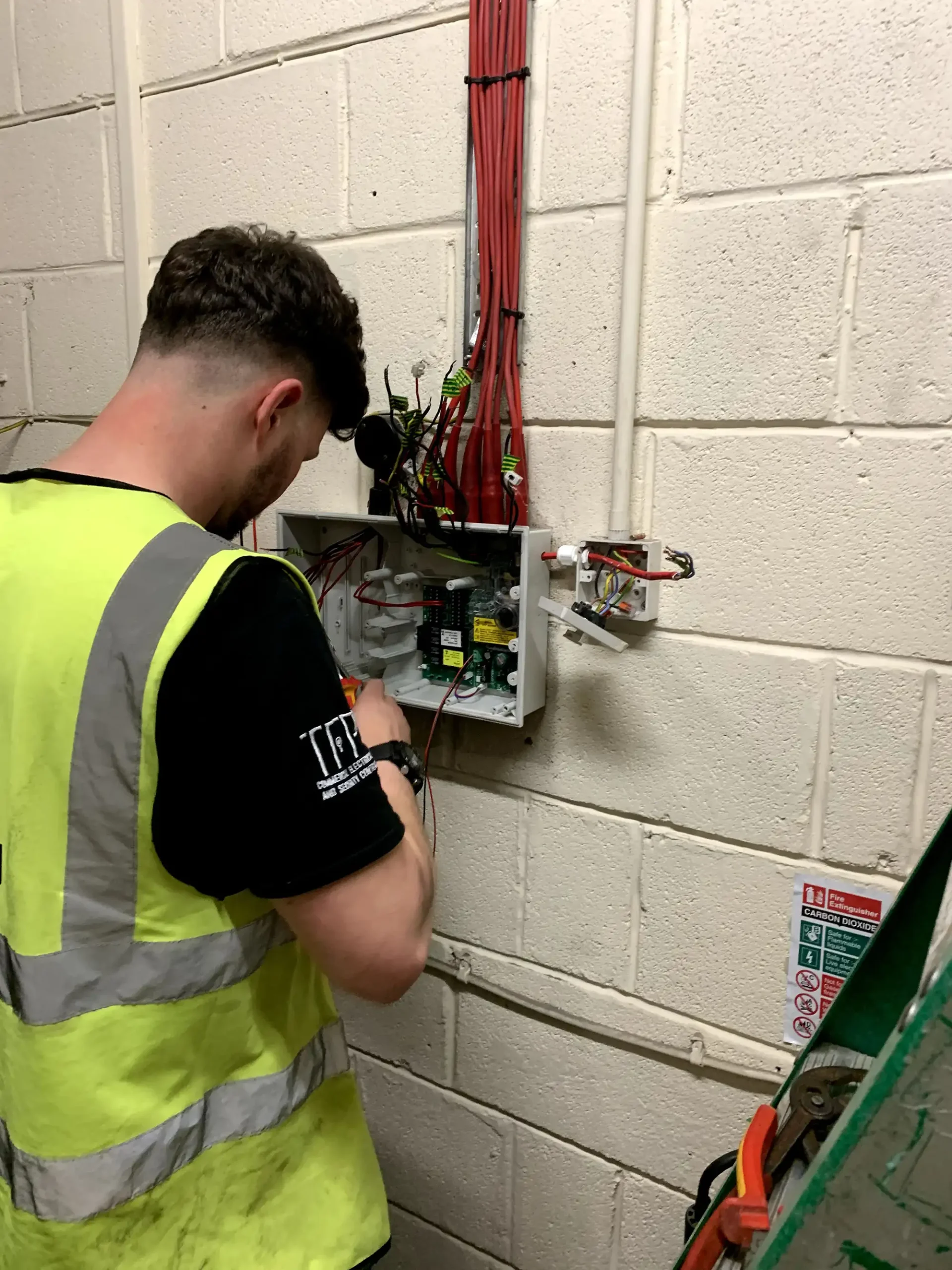
Core components include entry panels at access points, control units processing authentication requests, and electric locks releasing doors upon verification. Door entry systems for offices typically integrate card readers, keypads, or biometric scanners allowing authorized personnel entry whilst preventing unauthorized access.
What are keyless entry systems? They eliminate physical keys entirely, using cards, fobs, mobile apps, or biometric credentials instead. This removes key management burdens like cutting copies, tracking distribution, or replacing lost keys. Keyless entry systems provide enhanced security through easily revoked credentials and detailed access logging.
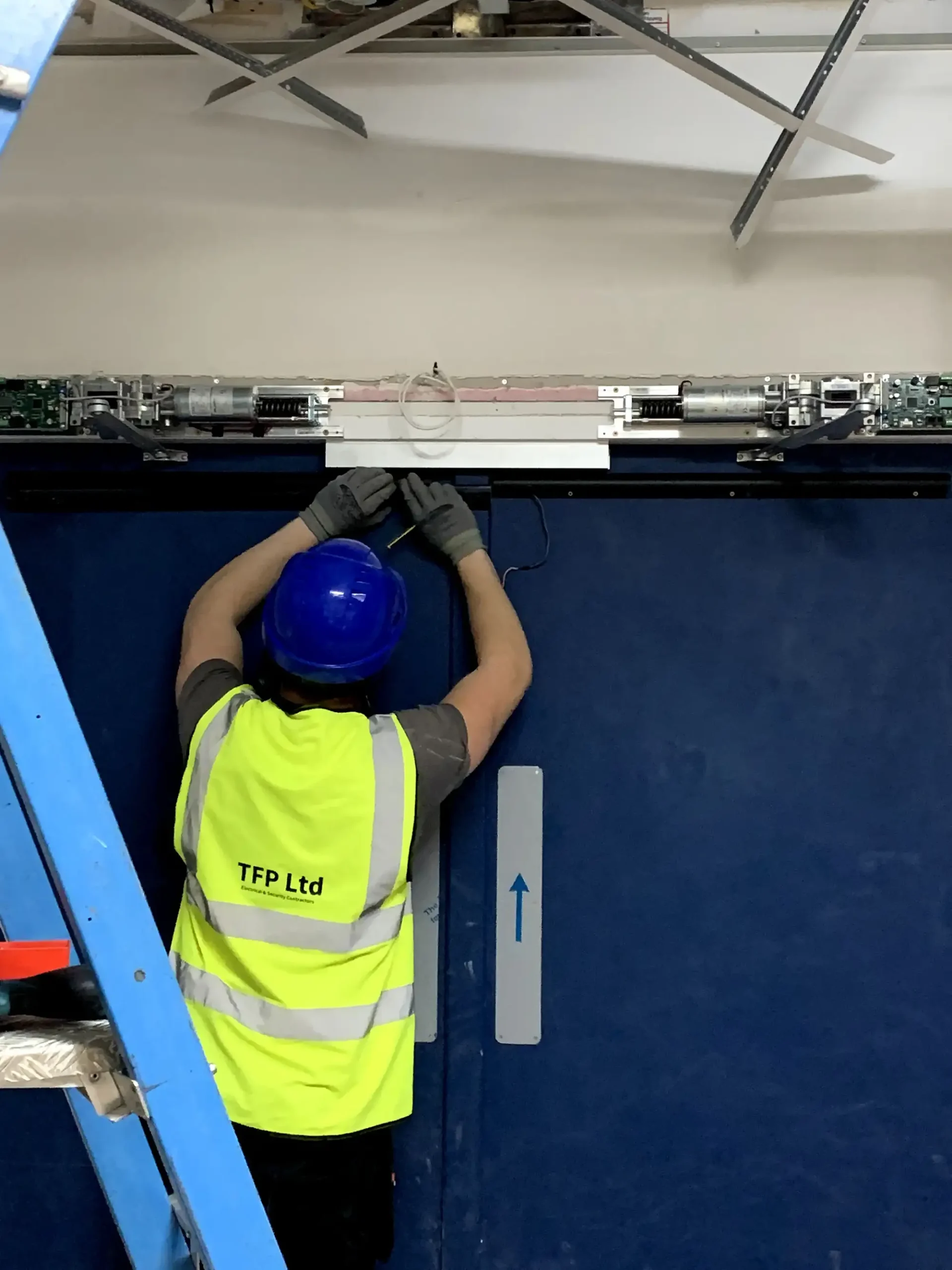
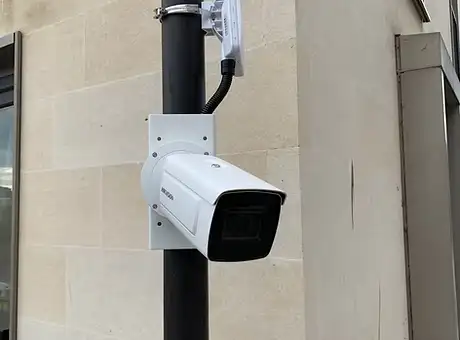
Integration capabilities distinguish professional commercial door entry systems from basic locks. Modern systems interface with CCTV for visual verification, building management platforms for centralized control, and fire alarms for automatic emergency door release. Professional installation by Security Industry Authority (SIA) licensed installers ensures systems meet regulatory standards and operate reliably across commercial premises.
How Does a Door Entry System Work – Technology & Integration
How does a door entry system work technically? Users present credentials like cards, fobs, PINs, or biometric data to entry panels. Control units verify credentials against stored permissions databases. Upon successful authentication, electric locks release allowing entry whilst logging the access event with timestamp and user identification.
Audio intercoms use two-way communication allowing visitors to announce themselves. Video intercoms enable reception staff to view visitors before remotely releasing doors. Door entry systems for offices often combine both, (intercom for visitors, card access for staff), creating layered security.
Network connectivity enables advanced functionality. Cloud-based business door entry systems allow remote management from any location. Administrators add or remove users, adjust access schedules, and review audit logs without physical system access, particularly valuable for multi-site organizations.
How do keyless entry systems work for different authentication methods? Proximity cards emit radio frequencies detected by readers. PIN pads require numeric codes. Biometric scanners verify fingerprints or facial features. Mobile credentials use smartphone Bluetooth or NFC communicating with readers.
Integration with building management systems provides powerful capabilities. Commercial door entry systems can adjust access permissions based on work schedules, trigger lighting when personnel enter, or interface with HVAC systems. Time-zone restrictions prevent access outside authorized hours.
Keyless Entry Systems – Card, Fob & Biometric Access
Keyless entry systems eliminate traditional key vulnerabilities. Lost or stolen credentials are instantly deactivated without building-wide lock changes. What are keyless entry systems offering? Complete access control, detailed audit trails, and flexible permission management impossible with mechanical keys.
Proximity card systems represent the most common keyless entry systems for commercial applications. Users simply present cards near readers, with no insertion or swiping required. Many door entry systems for offices integrate access cards with employee identification creating single-credential solutions.
Key fobs provide similar functionality in smaller form factors. Attachable to keychains, fobs suit environments where badge-wearing isn’t practical, such as in warehouses, manufacturing, or casual offices. Both use RFID technology with various security levels.
Biometric keyless entry systems use fingerprint, facial recognition, or iris scanning. These credential-free systems eliminate lost card problems whilst preventing credential sharing. However, biometric systems cost more initially and require careful implementation considering privacy regulations.
Mobile credentials represent emerging technology. Smartphone apps generate secure credentials using Bluetooth or NFC. Users simply present phones to readers. How do keyless entry systems work with mobile credentials? Apps communicate encrypted tokens to readers, which verify against cloud-based permissions databases.
Comparing different technologies helps identify the most appropriate solution. Explore our comprehensive Best Door Entry Systems comparison guide.
Door Entry Systems for Offices – Applications by Business Type
Door entry systems for offices vary by business type and security requirements. Corporate offices typically deploy card-based keyless entry systems for main entrance, with additional readers securing sensitive areas such as server rooms, executive suites, or confidential storage. Reception areas use video intercoms managing visitor access.
Retail premises benefit from business door entry systems securing staff-only areas whilst allowing customer access to public zones. Back-of-house areas, stockrooms, and offices require access control preventing unauthorized entry. Many integrate with burglar alarms, automatically arming when last staff member exits.
Healthcare facilities require sophisticated door entry systems for offices and clinical areas. Different access levels for medical staff, administrative personnel, and visitors ensure appropriate area access whilst maintaining patient privacy. Keyless entry systems provide detailed audit trails essential for healthcare compliance.
Educational institutions need commercial door entry systems balancing security with operational requirements. Main entrances require visitor management and identity verification, whilst internal doors allow staff movement between teaching areas.
Industrial and manufacturing premises use robust business door entry systems withstanding harsh environments. Warehouses, factories, and distribution centres require systems managing employee access, controlling contractor entry, and securing valuable inventory. The British Security Industry Association (BSIA) provides industry standards and installer accreditation helping businesses select appropriately qualified access control providers for commercial installations.
Maintain Secure Access Control
Understanding what is a door entry system, how does a door entry system work, and what are keyless entry systems helps businesses select appropriate solutions. Door entry systems for offices, commercial door entry systems, and business door entry systems provide enhanced security, visitor management, and access control.
Keyless entry systems eliminate traditional key management challenges whilst providing detailed audit trails and flexible permission management. How do keyless entry systems work? Through card, fob, biometric, or mobile credentials verified electronically before granting access.
Understanding system options helps to budget appropriately. See detailed pricing in our Keyless Entry System Installation Cost guide.
FAQs
A door entry system is an integrated access control solution managing building entry through electronic authentication. It combines intercoms, access readers (cards, fobs, keypads, biometrics), and electric locks providing secure controlled access whilst maintaining audit trails.
Users present credentials to entry panels. Control units verify credentials against permissions databases. Upon successful authentication, electric locks release allowing entry whilst logging the access event with timestamp and user identification.
Keyless entry systems eliminate physical keys using electronic credentials—cards, fobs, mobile apps, or biometric data. They provide enhanced security through easily revoked credentials, detailed access logging, and flexible permission management.
Door entry systems work by verifying user credentials (cards, PINs, biometrics) against stored permissions before releasing electric locks. Network-connected systems enable remote management, cloud-based user administration, and integration with CCTV and building management systems.
Keyless entry systems work through various authentication methods: proximity cards emit radio frequencies detected by readers, PIN pads require numeric codes, biometric scanners verify fingerprints or facial features, and mobile credentials use smartphone Bluetooth/NFC.
