
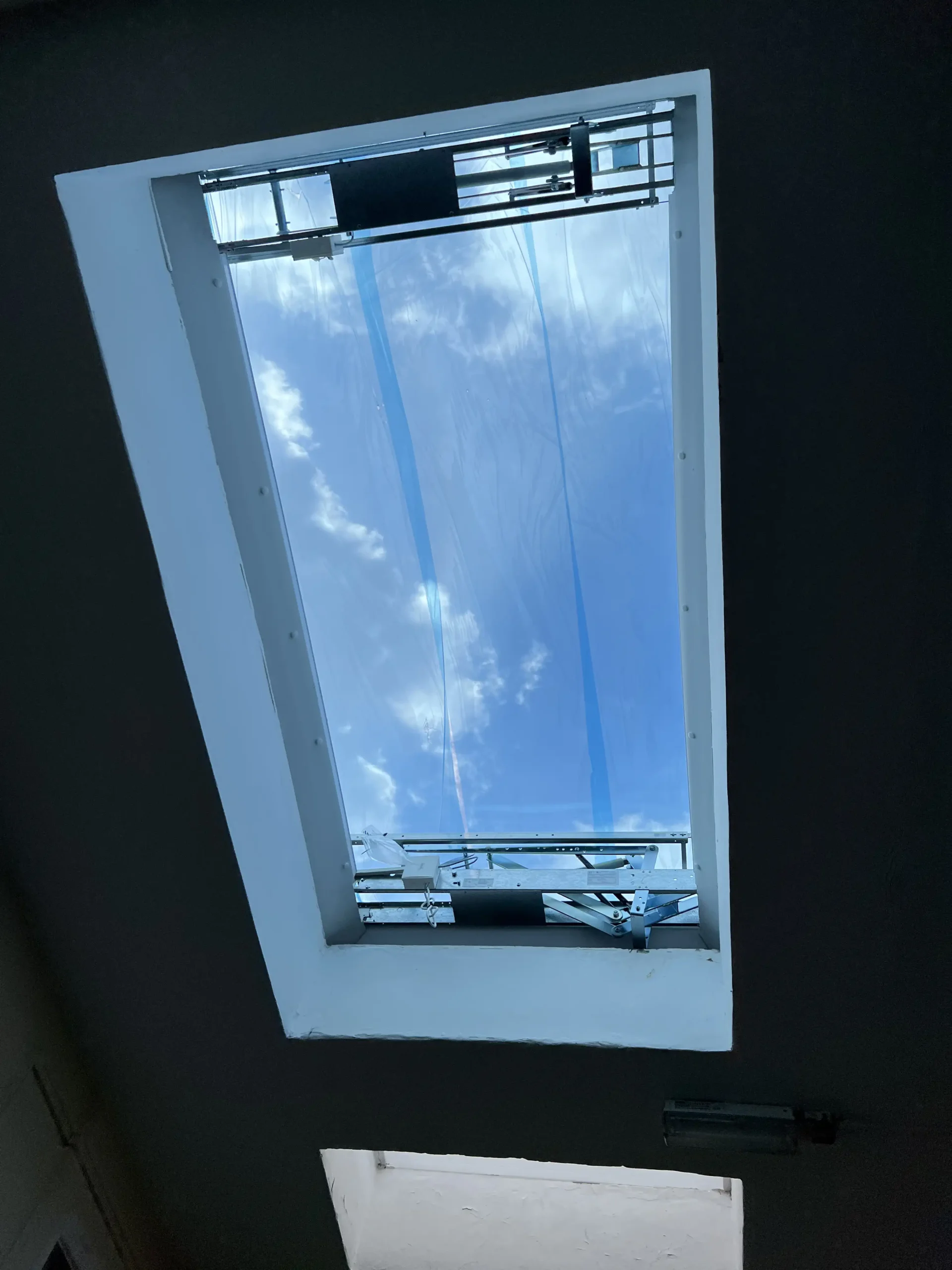
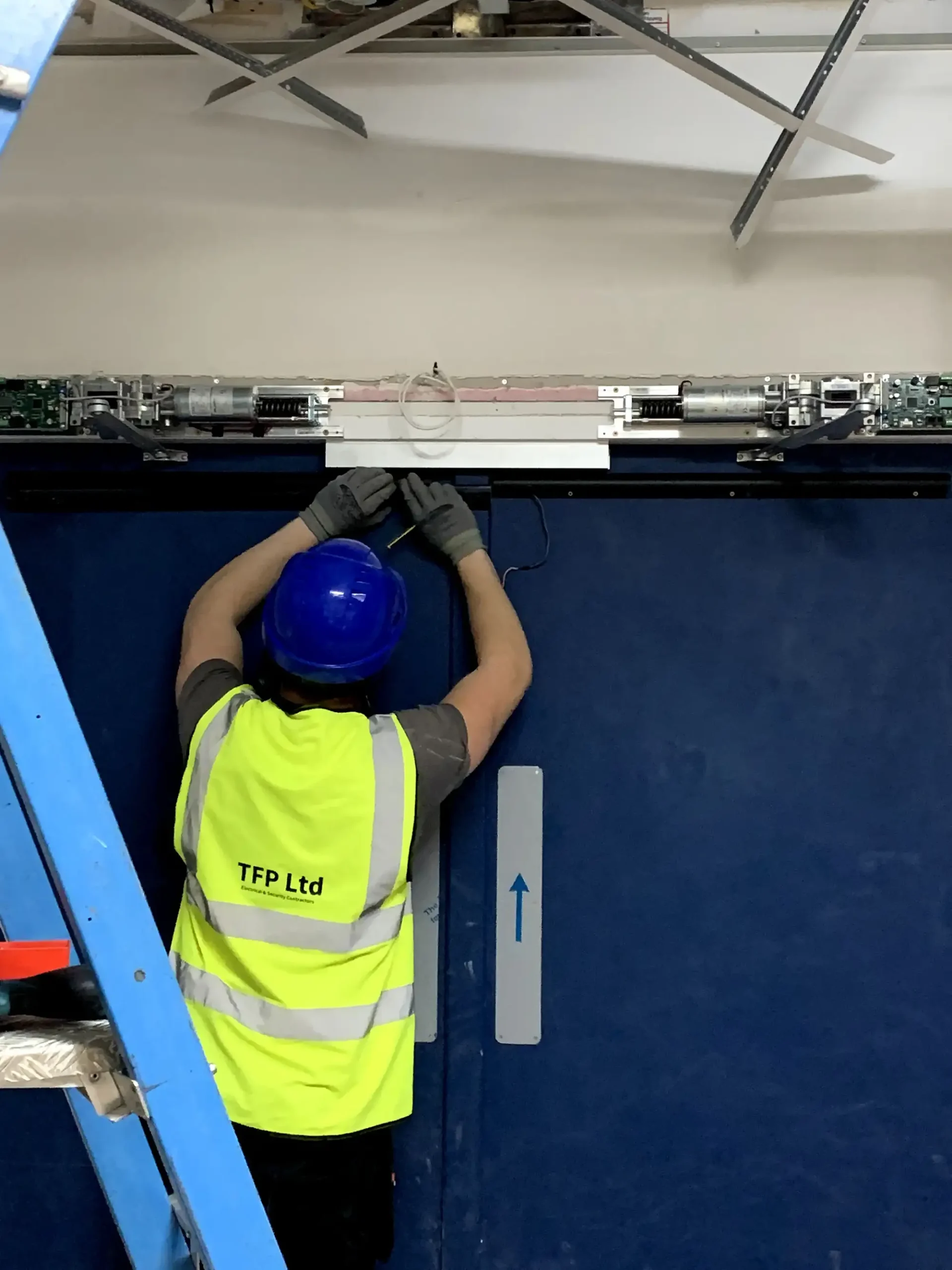

Multi-storey offices, mixed-use developments and larger commercial buildings often rely on AOV smoke ventilation and detection systems to keep escape routes clearer during a fire. An AOV is a vent, louvre, window or hatch that opens automatically when smoke is detected, helping remove hot smoke and gases from corridors, lobbies, stairs or smoke shafts. In practice, that gives occupants more tenable escape routes and improves visibility and access for firefighters.


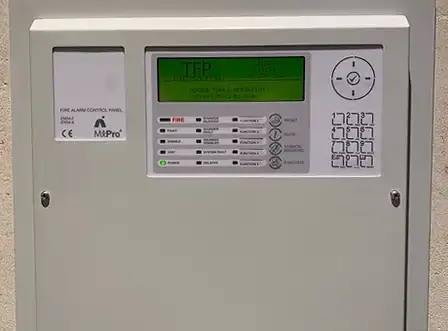
A typical system combines smoke detectors, manual call points, actuators, vents and a dedicated control panel with backup power. When smoke is detected, the panel opens the relevant venting zone while keeping other zones closed or on standby, depending on the building’s fire strategy. For Bristol commercial projects, TFP designs and installs AOV and smoke detection systems as part of a wider electrical and fire package, helping clients avoid the delays that come from splitting life-safety systems across multiple contractors.
Fire Alarm Systems
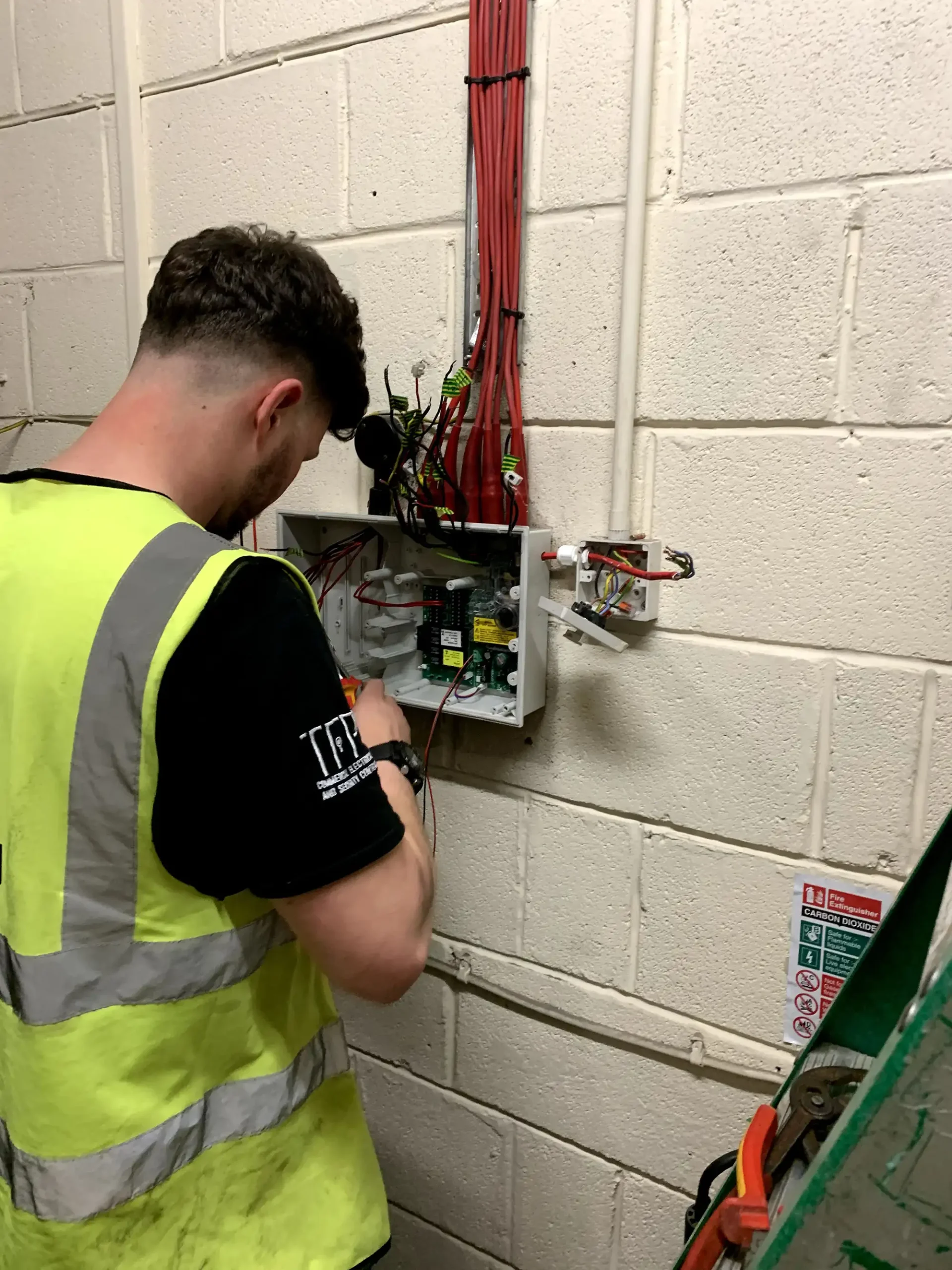
Fire alarm systems provide the early warning needed to protect occupants and limit fire damage in commercial buildings. In Bristol offices, industrial units and hospitality venues, these systems detect smoke or heat and trigger audible alarms so people can evacuate safely while emergency services respond. Modern systems may also activate building safety features such as AOV smoke ventilation or door release systems as part of the building’s fire strategy.
TFP designs and installs commercial fire alarm systems across Bristol, supporting developments from city-centre offices and hospitality venues to industrial and leisure facilities. Systems can include smoke detectors, heat detectors, manual call points, sounders, control panels and monitored signalling equipment depending on the building’s layout and risk assessment.

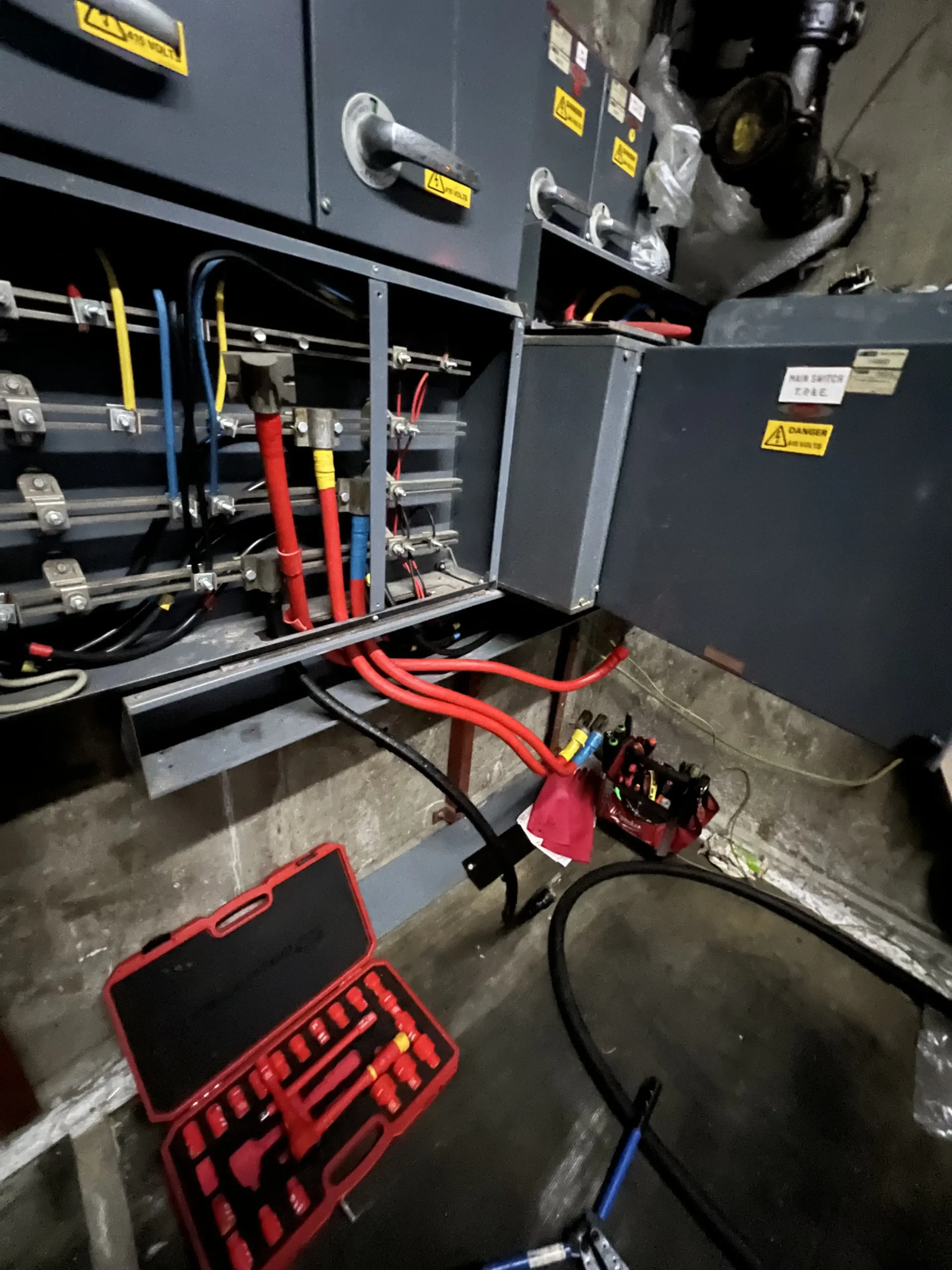
Complete M&E Project Delivery
We provide full mechanical and electrical packages from design through to installation and maintenance. Working alongside contractors and facilities teams nationwide, we deliver integrated solutions across electrical, heating, ventilation, plumbing and fire systems.
Why Choose TFP for Commercial Electrical & Fire Systems in Bristol
Single-Contractor Electrical, Fire & Security
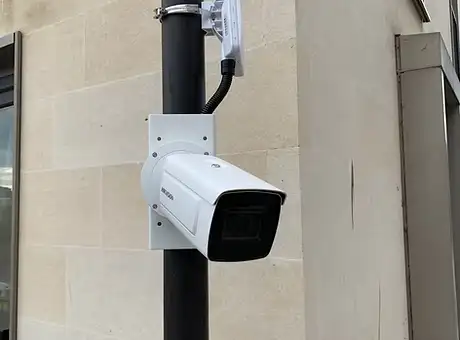
Managing separate contractors for electrical, fire alarms, CCTV and access control can delay projects and increase costs. TFP delivers all these systems under one contractor, from electrical design and installation to AOV smoke ventilation and control panel wiring, so projects move faster with a single point of accountability.
Proven Commercial Project Experience
Our team has delivered complex installations across Bristol, including the five-storey Armada House multi-discipline M&E project and electrical infrastructure for Verde Recro’s Lockleaze padel court development. These projects required integrated electrical, fire safety and security systems working together across large commercial spaces.
Accredited & Fully Insured
TFP operates to recognised industry standards including BS 7671 electrical regulations and BS5839-1 fire alarm systems. We hold NICEIC approval, NSI Silver certification and BAFE accreditation, and carry £10 million public liability insurance, giving Bristol facilities managers and contractors confidence in compliance and safety.
sectors

Offices & Commercial

Industrial & Factories

Schools & Universities

Healthcare

Listed Buildings

Hotels & Leisure
Fire Alarm & AOV System FAQs
Automatic Opening Vent (AOV) systems and fire alarms work together to control smoke and warn occupants during a fire. In Bristol commercial buildings, smoke detectors trigger alarms and automatically open vents in corridors or stairwells, helping keep escape routes clearer. TFP designs and installs integrated fire alarm and AOV systems compliant with BS 5839-1 and BS EN 12101.
A fire alarm system detects a fire and alerts occupants, while an AOV (Automatic Opening Vent) system removes smoke from escape routes such as corridors, lobbies and stairwells. In many Bristol commercial buildings the fire alarm activates the AOV system automatically, allowing smoke to vent from the building while alarms signal occupants to evacuate.
In most installations, yes. AOV systems typically receive a signal from smoke detectors or the fire alarm control panel, which triggers the vents to open automatically. Some systems may also include manual override switches so firefighters can control vents once they arrive on site.
AOVs are commonly installed in stairwells, corridors, smoke shafts, lobbies and roof areas of multi-storey buildings. Their purpose is to vent hot smoke and gases during a fire, improving visibility and making escape routes safer for occupants and emergency services.
Fire alarm systems are typically tested weekly by the responsible person and serviced by a qualified engineer every 6 months. AOV systems should also be inspected and functionally tested regularly, with specialist servicing usually carried out annually to ensure vents, actuators and control panels operate correctly when required.
Commercial fire alarm systems are usually designed and installed in accordance with BS 5839-1, while AOV smoke ventilation systems are commonly designed in line with BS EN 12101 and related smoke control guidance. These standards help ensure systems operate correctly and comply with fire safety expectations for buildings.
Yes. Many Bristol commercial buildings integrate fire alarms, AOV smoke ventilation, access control and other electrical systems so they operate as part of one coordinated safety strategy. Installing them together ensures compatibility between systems and simplifies maintenance and compliance management.
During a fire, smoke can spread quickly through corridors and stairwells. AOV systems create a natural ventilation path that allows smoke and heat to escape, helping keep escape routes clearer and assisting firefighters when accessing upper floors.


