
Padel Court Electrical Design & Installation – Lockleaze, Bristol (BS7 9XF)
Project: Padel4All Lockleaze
Location: Bonnington Walk, Lockleaze, Bristol, BS7 9XF
Completed: 2024
Project Lead: Glen Flavell
The Challenge
Padel4All approached TFP after experiencing ongoing issues with electrical installations on previous courts. Existing designs relied heavily on underground cabling, which led to poor routing, exposed cables, and potential safety risks during play.
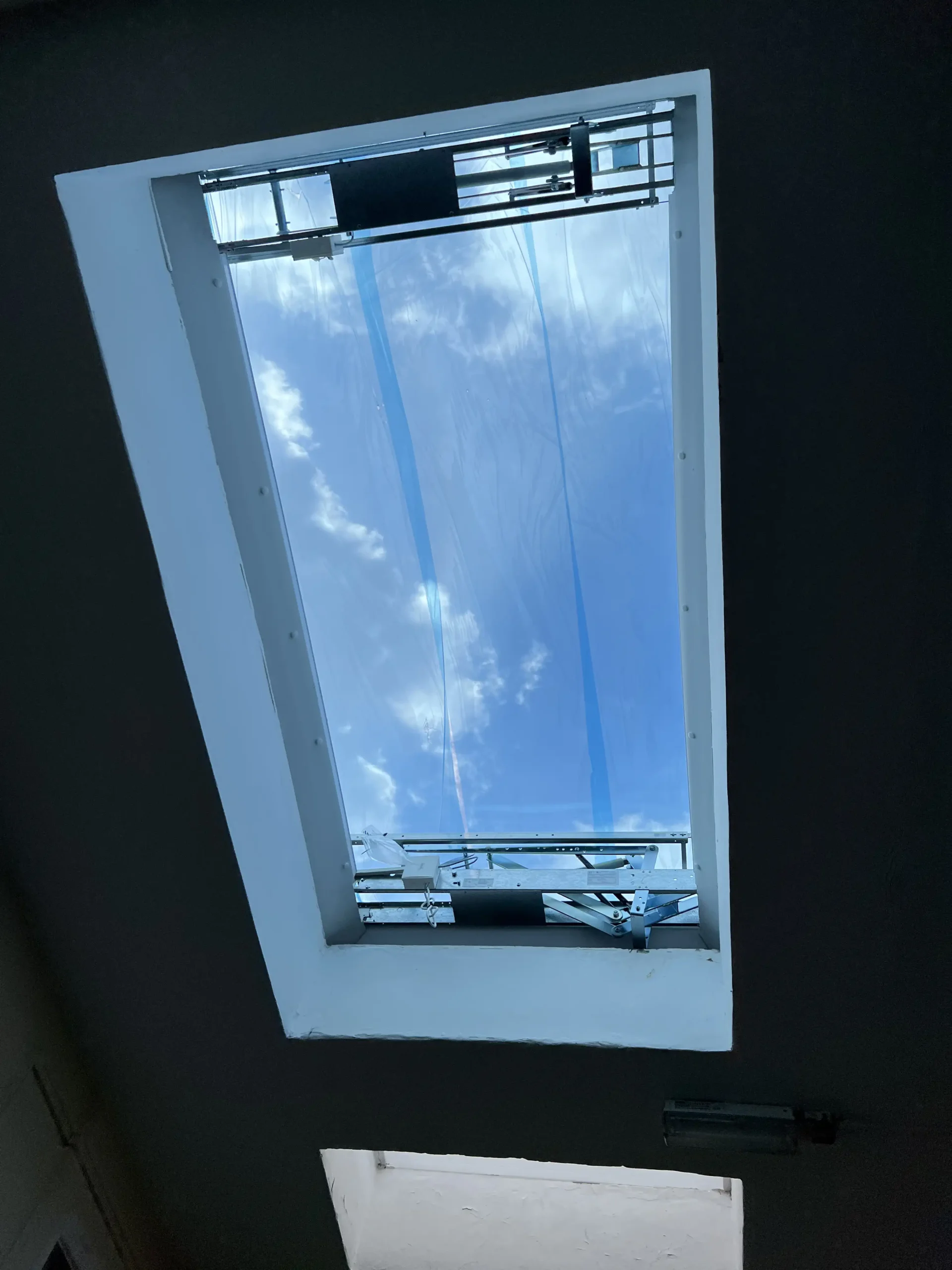
The structure at Lockleaze added further complexity. The steel-framed dome limited traditional fixing methods, making it difficult to install electrical systems cleanly and safely using standard approaches.
The client needed a solution that would not only fix these issues, but also work as a repeatable model for future courts.


Our Solution
TFP delivered a complete redesign of the electrical installation, led by Glen Flavell.
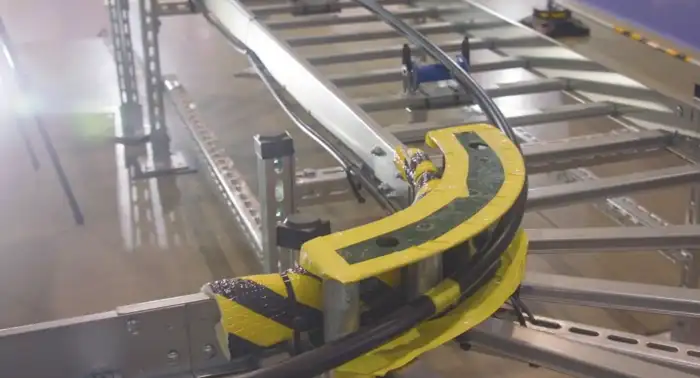
Instead of relying on underground systems, we introduced a perimeter-based containment strategy, routing all electrical infrastructure around the outer frame of the structure.
This approach allowed us to work with the structural limitations rather than against them, resulting in a far cleaner and more controlled installation.
Key elements included:
- A full perimeter containment system to carry all electrical services
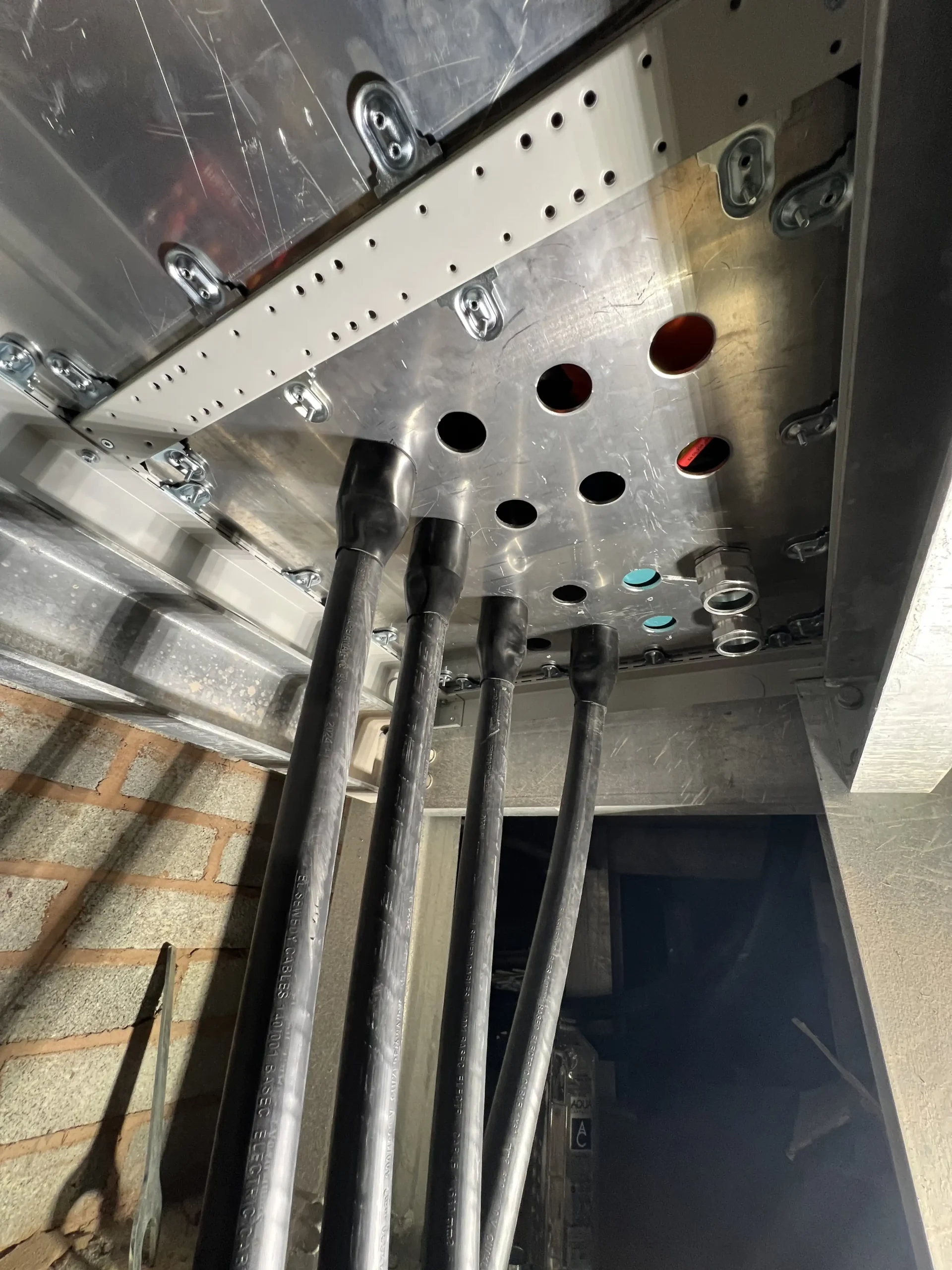
- Controlled drop-down points to deliver power precisely where needed
- Integrated under-court ducting to manage vertical cable distribution
- A redesigned layout that removed the risk of cables surfacing in incorrect or unsafe locations
The Result
- Safe, compliant electrical installation with no exposed or misrouted cabling
- Improved long-term reliability and easier maintenance access
- Clean, professional finish aligned with a flagship sports facility
- A scalable installation method now used as a reference for future Padel4All courts
By rethinking the installation approach, TFP didn’t just resolve the issues at Lockleaze, we helped establish a new standard for padel court electrical design.

FAQs (Padel Court Lockleaze Case Study)
Most padel court electrical installations take between 1–3 weeks depending on complexity. At Lockleaze (BS7 9XF), TFP completed the full design and installation within a tight programme by using a pre-planned containment system that reduced on-site delays.
The most common issues are poor cable routing, over-reliance on underground systems, and exposed wiring. At Lockleaze, previous installations had cables surfacing in unsafe locations, something TFP resolved by redesigning the system entirely.
Yes. Padel courts have unique structural constraints, especially with steel frame domes and limited fixing points. This project required a custom-designed perimeter containment system led by Glen Flavell to ensure safe and reliable installation.
Not always. While it can be used, poor planning often leads to cables emerging in incorrect locations. At Padel4All Lockleaze, TFP replaced this approach with a perimeter-based system, improving safety and long-term reliability.
Yes, if designed correctly. The Lockleaze installation was developed as a scalable solution and is now used as a blueprint for future Padel4All courts, reducing design time and improving consistency across sites.
You should look for experience with sports facilities, understanding of structural limitations, and the ability to design, not just install. This project demonstrates TFP’s ability to deliver a full design-and-build solution tailored to padel environments.


