

AOV Smoke Ventilation Installation: What Commercial Buildings Need to Know
Smoke inhalation causes the majority of fire-related deaths in UK buildings, not the flames themselves. That fact alone explains why AOV smoke ventilation is classified as a life-safety system and why smoke ventilation system installation is a legal requirement in most commercial and multi-occupancy buildings. Getting it right requires specialist design, certified products, and qualified engineers. This guide covers what building owners and facilities managers need to understand before commissioning AOV smoke ventilation installation.
What Is an Automatic Opening Vent System?
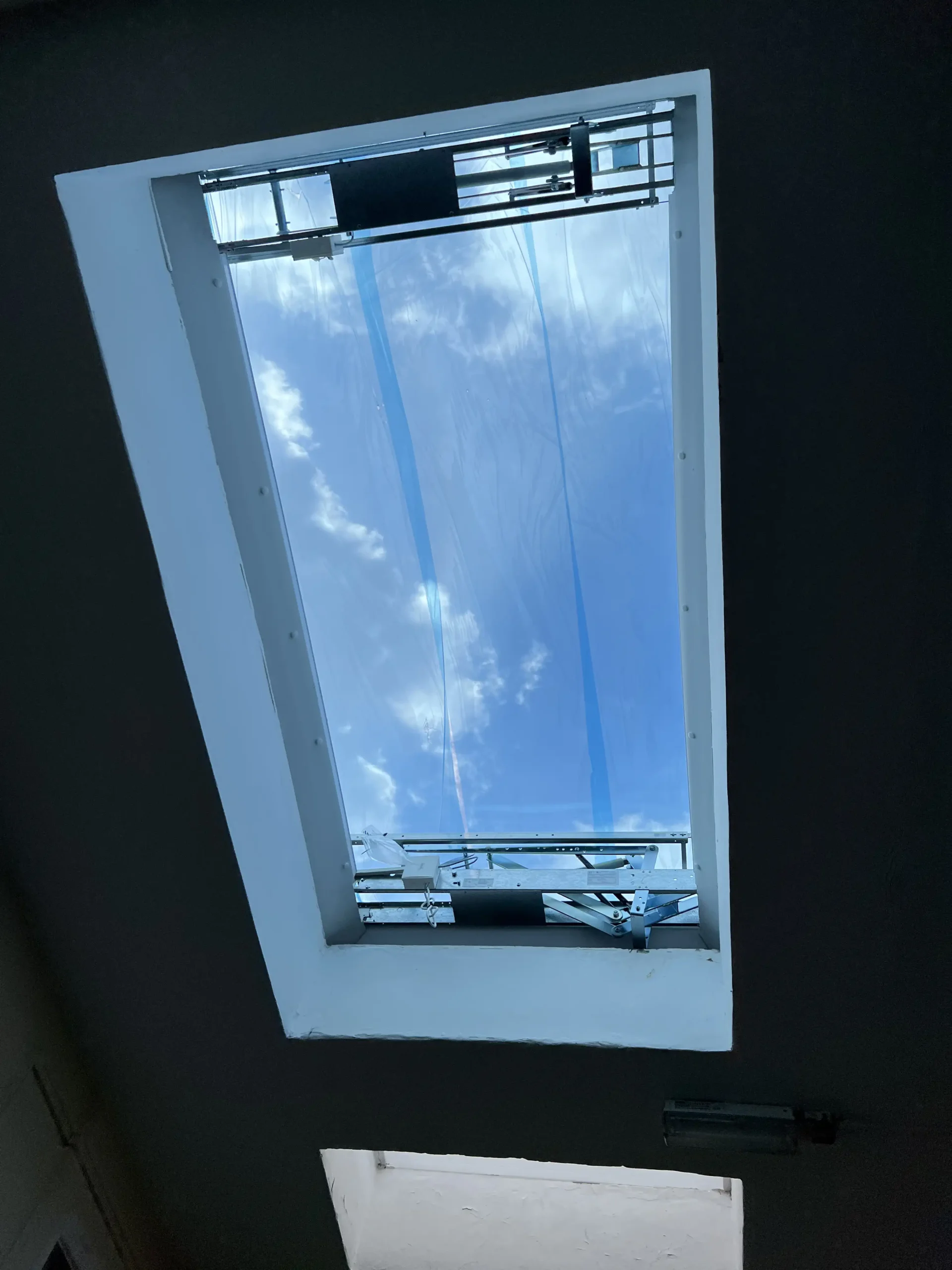
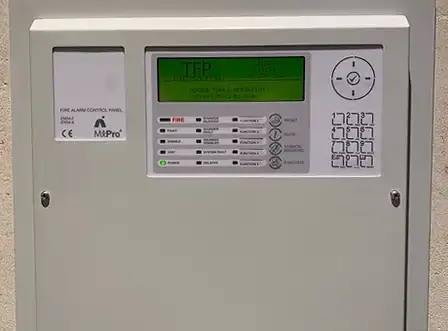
An automatic opening vent is a window, louvre, rooflight, or hatch that opens automatically when smoke or heat is detected. As part of a smoke control system, AOVs use thermal buoyancy – hot smoke rises and exits through the open vent, drawing cooler air in from below. This keeps escape routes and corridors clear during evacuation and improves conditions for firefighters. AOV systems link to a dedicated control panel, which interfaces with the building’s fire alarm and, where applicable, its building management system.

Types of Smoke Ventilation Systems
Understanding the types of smoke ventilation systems available is essential before specifying any installation. There are two primary approaches.
Natural smoke ventilation uses thermal buoyancy to clear smoke passively through AOV windows, louvres, rooflights, or smoke shafts. It is the most widely used approach in multi-storey residential and commercial buildings and is generally simpler and more cost-effective to install and maintain.
Mechanical smoke ventilation uses powered fans to extract smoke, typically in basements, car parks, and larger commercial premises where natural airflow is insufficient. Both approaches must comply with Approved Document B and the relevant British Standards.
Where Is AOV Smoke Ventilation Installation Required?
UK Building Regulations make AOV smoke ventilation installation mandatory across a wide range of building types. Multi-storey residential blocks require AOVs in communal corridors, lobbies, and stairwells – Approved Document B specifies minimum free area requirements for stairwell smoke ventilation, with vents positioned as high as practicable. Commercial offices, hotels, schools, care homes, and public buildings with multi-level layouts carry equivalent requirements. Full requirements are set out in the Approved Document B fire safety guidance published by the UK government.
The Regulatory Reform (Fire Safety) Order 2005 places additional duties on the responsible person in non-domestic premises to ensure adequate smoke control system installation is in place and maintained. Non-compliance carries serious legal consequences.

What Does Smoke Ventilation System Installation Involve?
Smoke ventilation system installation is a multi-stage, engineering-led process. It begins with a building-specific design accounting for layout, occupancy, compartmentation, and escape strategy. All components must be BS EN 12101-2 certified, and UKCA/CE marked to be legally compliant.
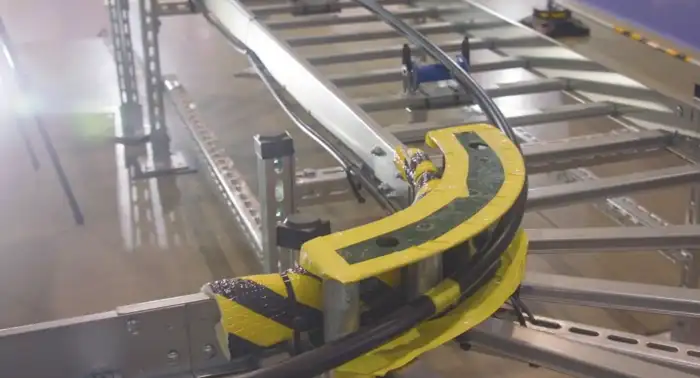
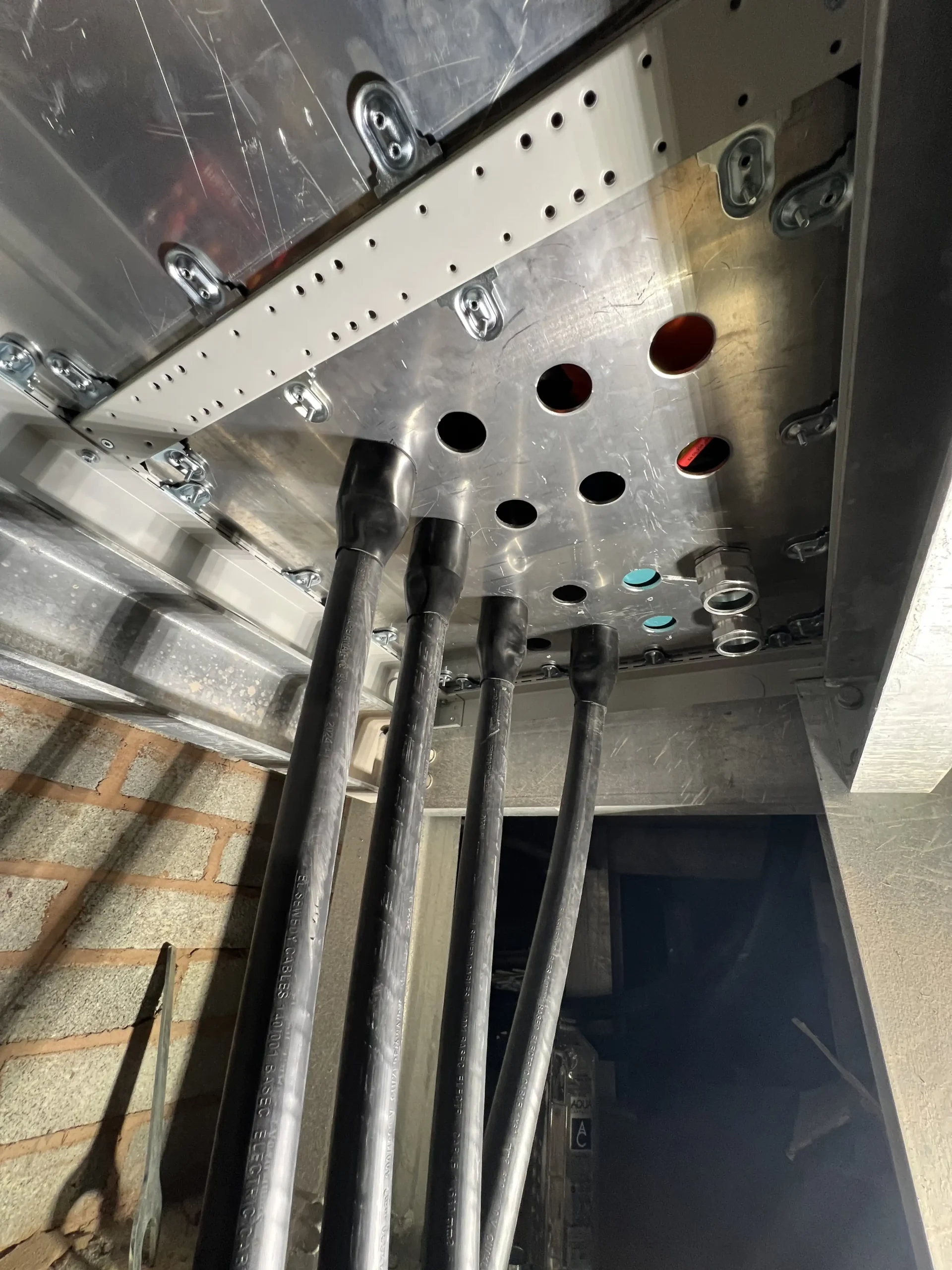
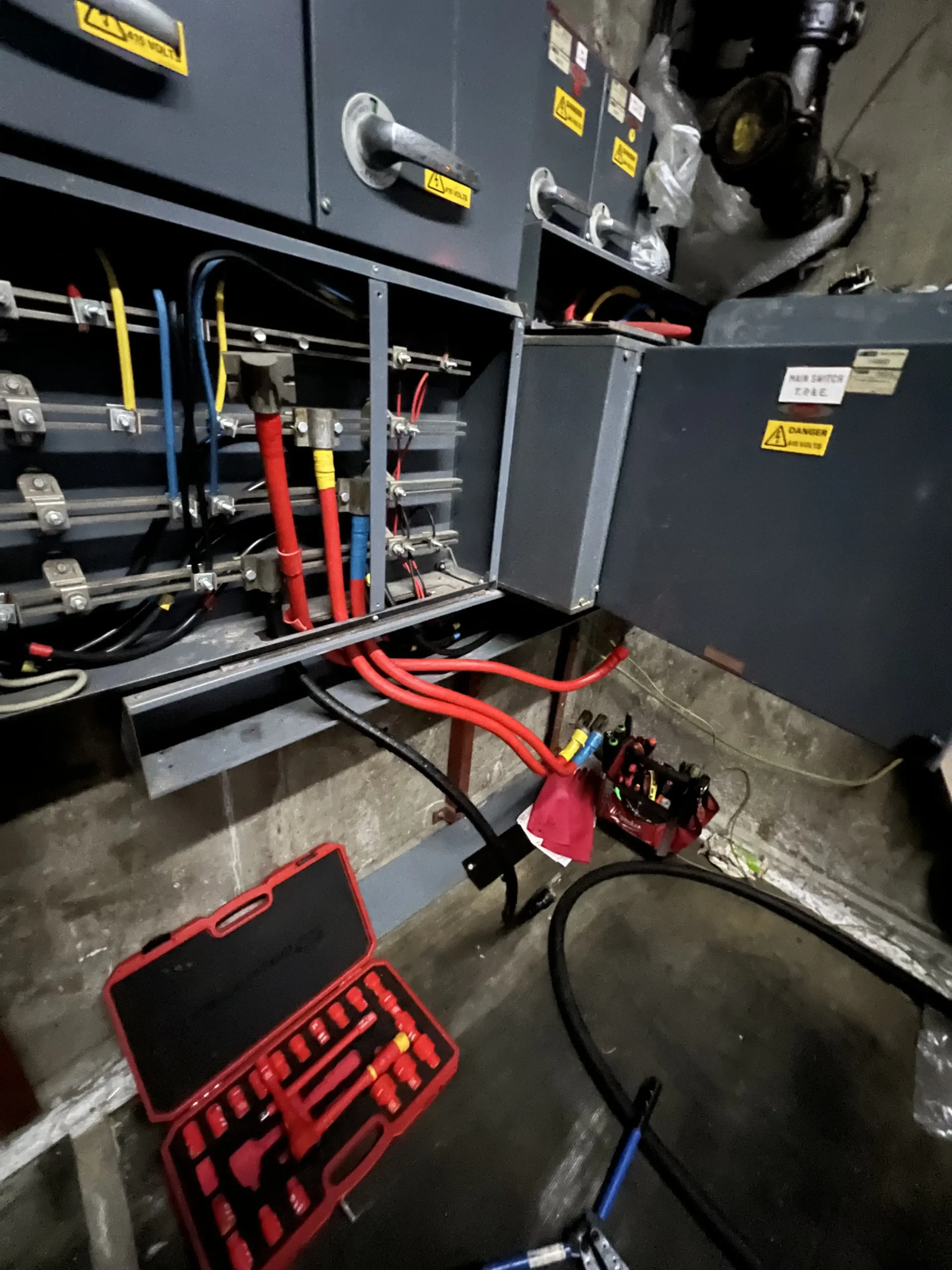
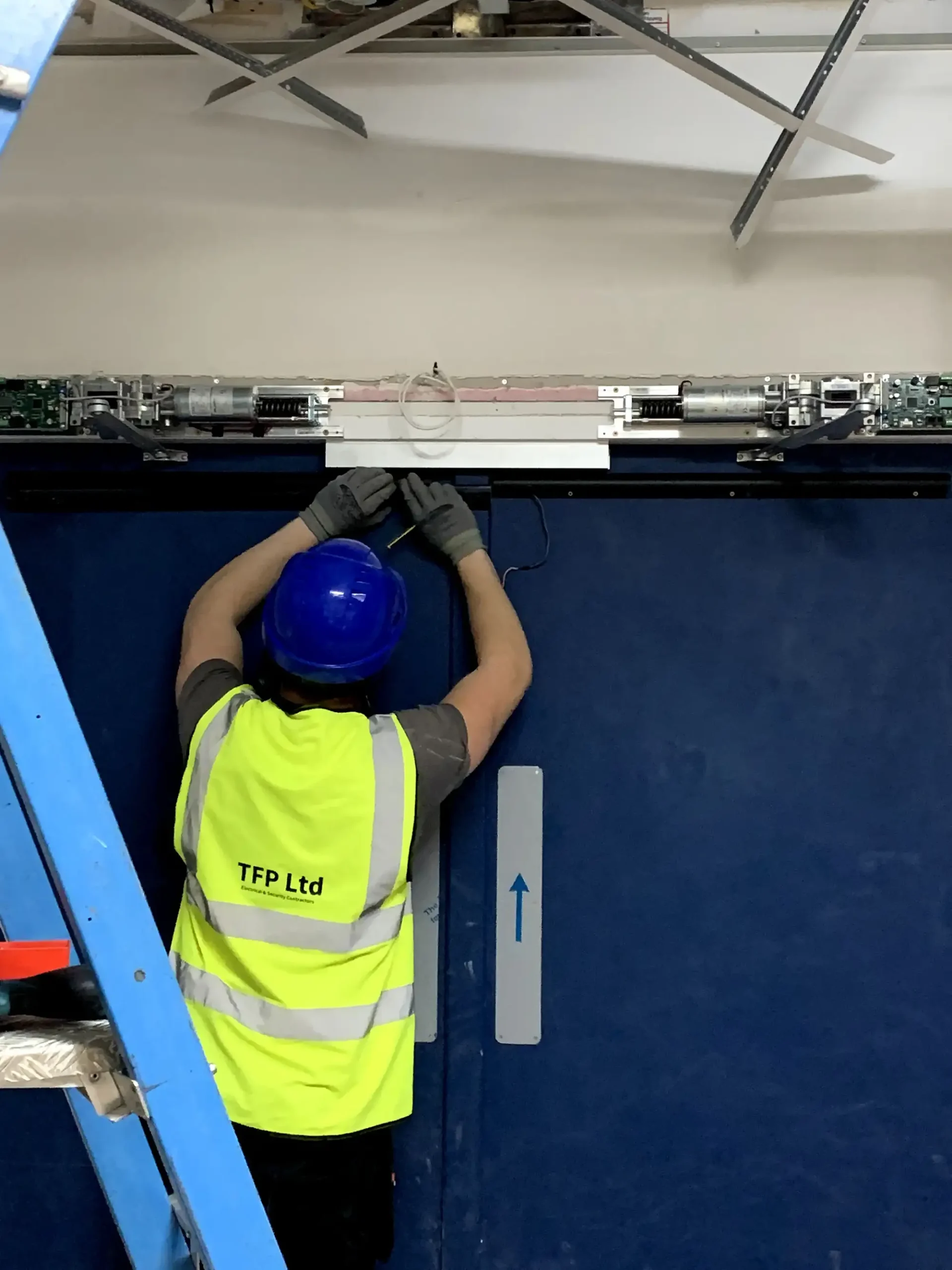
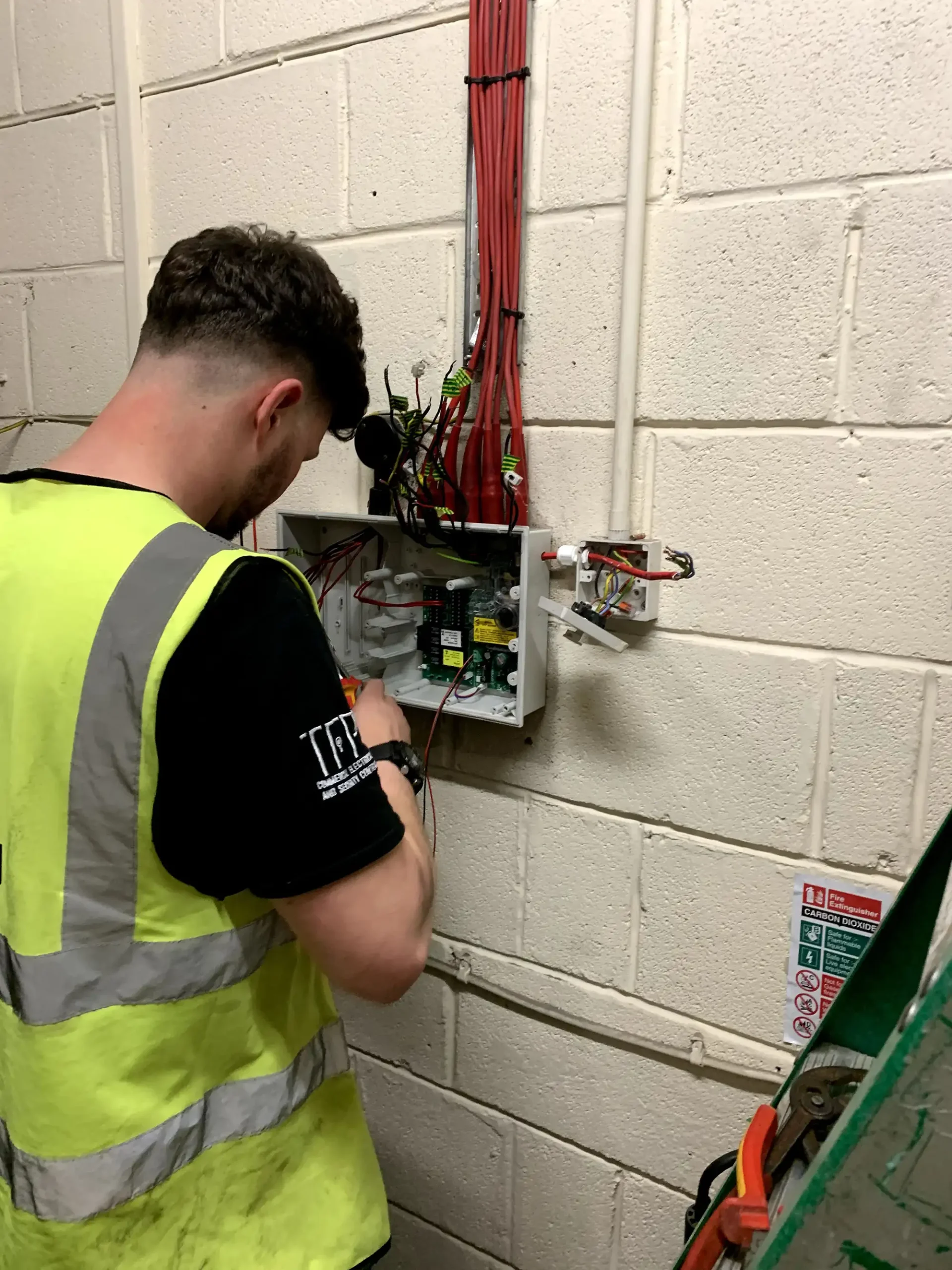
Physical smoke control system installation covers fixing and wiring AOV units, actuators, smoke detectors, control panels, and break-glass call points, with full integration into the fire alarm and BMS. Commissioning follows – verifying every component responds correctly to a fire signal. AOV smoke ventilation installation must be signed off with full documentation, including cause-and-effect testing records forming part of the building’s fire safety golden thread. The Smoke Control Association guidance on compliant installation provides further detail on commissioning and documentation standards.
Compliance and the Responsible Person
AOV smoke ventilation systems must satisfy a suite of UK standards. Approved Document B governs design and placement, while BS 7346-8 provides the code of practice for planning, smoke control system installation, and maintenance. Only BS EN 12101-2 certified, UKCA/CE-marked products are legally approved for UK buildings.
Post-installation, the responsible person carries ongoing duties ensuring the smoke control system is tested, serviced, and documented in line with applicable standards. These records are subject to inspection by fire and rescue authorities. For a detailed breakdown of the regulations and cost considerations involved, read our guide to AOV Smoke Vent Compliance and Cost for Building Owners.
AOV smoke ventilation installation is a specialist, compliance-driven process where the stakes could not be higher. Every stage of smoke ventilation system installation, from design through to commissioning, must be handled by qualified engineers using certified components. Building owners who treat this as a regulatory formality rather than a life-safety priority do so at considerable legal and human risk.
Once your system is installed, Understanding Your Ongoing AOV Smoke Vent Servicing and Maintenance Obligations is equally essential.
Dark section with content right FAQs
A smoke ventilation system removes smoke from a building during a fire, keeping escape routes clear for occupants and improving conditions for firefighters. Systems use either natural airflow or powered mechanical extraction depending on building type and layout
A smoke vent is an opening, typically a window, louvre, rooflight, or hatch which is designed to release smoke and heat during a fire. In an AOV system, vents open automatically in response to a signal from smoke detectors or the control panel.
When smoke is detected, the AOV control panel activates actuators on the relevant vents, causing them to open. Hot smoke exits by thermal buoyancy, drawing cooler air in from lower levels and maintaining clearer conditions at floor level for evacuation.
Yes, in most multi-storey residential and commercial buildings. Approved Document B requires smoke ventilation in communal stairwells and corridors, and the Regulatory Reform (Fire Safety) Order 2005 places a legal duty on the responsible person to ensure adequate fire safety systems are installed and maintained.
Commercial buildings use either natural smoke ventilation, (AOV windows, louvres, rooflights, or smoke shafts), or mechanical smoke ventilation via powered fans. The appropriate system depends on building size, layout, occupancy, and the requirements of Approved Document B and relevant British Standards.
