


Cloud Based & Physical Access Control Systems: A Commercial Guide
Controlling who can access which areas of a building is a fundamental security requirement for any commercial premises. Traditional lock and key no longer meets the demands of modern business – security access control systems offer far greater control, accountability, and auditability. For most commercial buildings, the choice comes down to two primary approaches: cloud based access control systems and physical access control systems. This guide explains both, covers credential options, and sets out what professional access control systems installation involves.
Cloud Based Access Control Systems
Cloud based access control systems are web-managed platforms that allow administrators to control access permissions, monitor entry events, and manage credentials remotely via a browser or app. There is no need for an on-site server, as system data is hosted securely offsite, making these solutions highly scalable and straightforward to manage across multiple sites. Mobile access control systems functionality is a common feature, allowing employees to use smartphones as credentials rather than physical cards or fobs. For businesses with high staff turnover, multiple locations, or a need for real-time reporting, cloud based access control systems offer significant operational advantages over traditional standalone installations.
Physical Access Control Systems
Physical access control systems refer to the hardware infrastructure that manages and secures entry points: readers, electronic locks, door controllers, barriers, and cabling. This physical layer is present in every installation, whether the system is cloud-managed or standalone. Credential options for physical access control systems include card access control systems using proximity or smart cards, key fob access control systems for convenient single-handed operation, PIN keypads, biometric readers, and increasingly, mobile credentials. The right credential type depends on the security level required, the volume of users, and the nature of the access points being controlled.
Electronic Access Control Systems
Electronic access control systems is the broader category that encompasses both cloud-managed and standalone physical installations. What distinguishes electronic access control systems from mechanical alternatives is the ability to grant, revoke, and audit access permissions instantly without changing locks or redistributing keys. This capability is particularly valuable in commercial premises where staff changes, contractor access, and varying security zones require flexible, auditable credential management. Mobile access control systems sit within this category, representing the fastest-growing segment as businesses move toward smartphone-based credentials.
Access Control Systems Installation
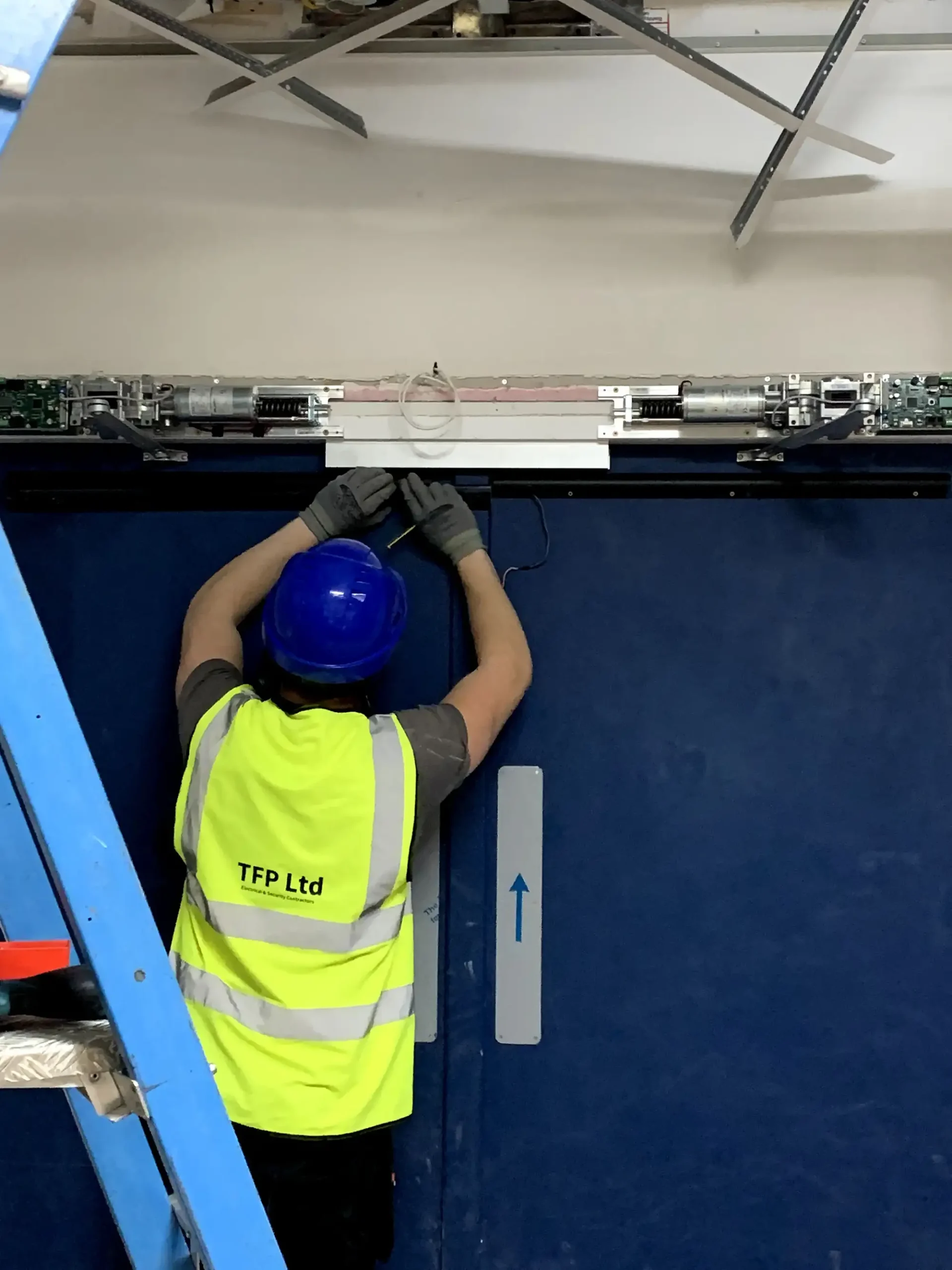
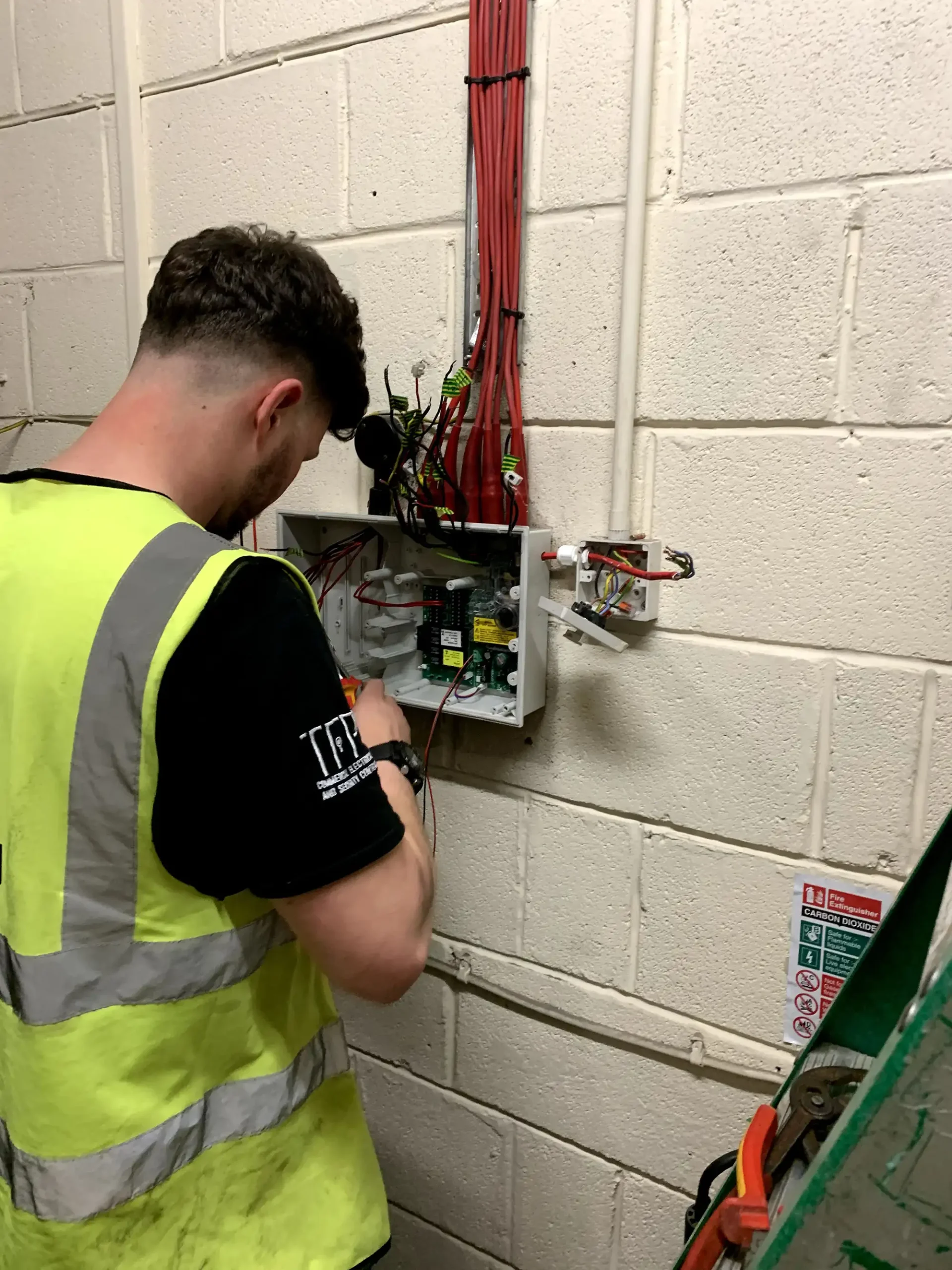
Access control systems installation is a multi-stage process that begins with a site survey and system design, establishing the number and type of access points, cabling routes, controller locations, and integration requirements with fire alarm, CCTV, or intercom systems. Hardware installation follows, (fixing readers, controllers, and locking devices), before software configuration, credential programming, and end-to-end testing. Professional access control systems installation ensures that every component is correctly integrated, that fail-safe and fail-secure door behaviours are properly configured, and that the system performs reliably under real-world conditions. Engaging a qualified, accredited engineer is not optional – security vulnerabilities created by poor installation are difficult and costly to rectify.
Businesses can verify contractor credentials through the SSAIB accreditation for access control installers.
For a detailed breakdown of installation costs and what to expect when specifying systems for commercial premises, read our guide to Access Control Systems for Buildings: Installation, Cost & Compliance
UK Compliance Consideration
Security access control systems in the UK must comply with several regulatory requirements. BS EN 60839-11 sets the standard for electronic access control systems, covering system design, performance, and testing. Where biometric data or access logs capturing personal data are involved, GDPR obligations apply; data minimisation, retention limits, and appropriate security measures must all be addressed. The responsible person carrying the duty of care for a building’s occupants must ensure access control systems installation is carried out by a competent contractor and that systems are maintained in effective working order.
The NCSC physical security guidance provides further context on integrating electronic access control within a broader security strategy.
Whether a business opts for cloud based access control systems, physical access control systems, or a hybrid of both, the fundamentals remain consistent: a system matched to the building’s specific security requirements, installed by qualified engineers, and supported by an ongoing maintenance programme. The right choice is never the most feature-rich product, it is the solution that best serves the building, its users, and its compliance obligations.
If you are evaluating your options, our guide to The Best Access Control Systems for Business: How to Choose sets out the key criteria for selecting the right system.
Dark section with content right FAQs
Access control systems are security installations that manage and restrict entry to buildings, floors, rooms, or specific areas. They replace traditional mechanical locks with electronic credentials like cards, fobs, PINs, biometrics, or mobile devices, and provide administrators with the ability to grant, revoke, and audit access permissions in real time.
When a user presents a credential, (card, fob, PIN, or smartphone), to a reader, the reader sends the credential data to a controller, which checks it against a database of authorised users. If the credential is valid for that door and time period, the controller releases the electronic lock and grants entry. All access events are logged for audit purposes.
Physical access control refers to the hardware infrastructure, such as readers, electronic locks, door controllers, and barriers that physically secures entry points. It is the foundation of any access control installation, whether managed via a cloud platform or a standalone on-site controller.
Proximity card and key fob systems remain the most widely deployed in UK commercial buildings, though mobile access control using smartphones as credentials is growing rapidly. Cloud based access control systems are increasingly common in new installations due to their scalability and remote management capabilities.
The main types are standalone systems (self-contained, single-door solutions), networked systems (multiple doors managed from a central controller), and cloud based systems (web-managed platforms with remote administration). Credential types, (card, fob, PIN, biometric, mobile), can be used across all system types depending on the hardware specified.
